
First, a little reassurance
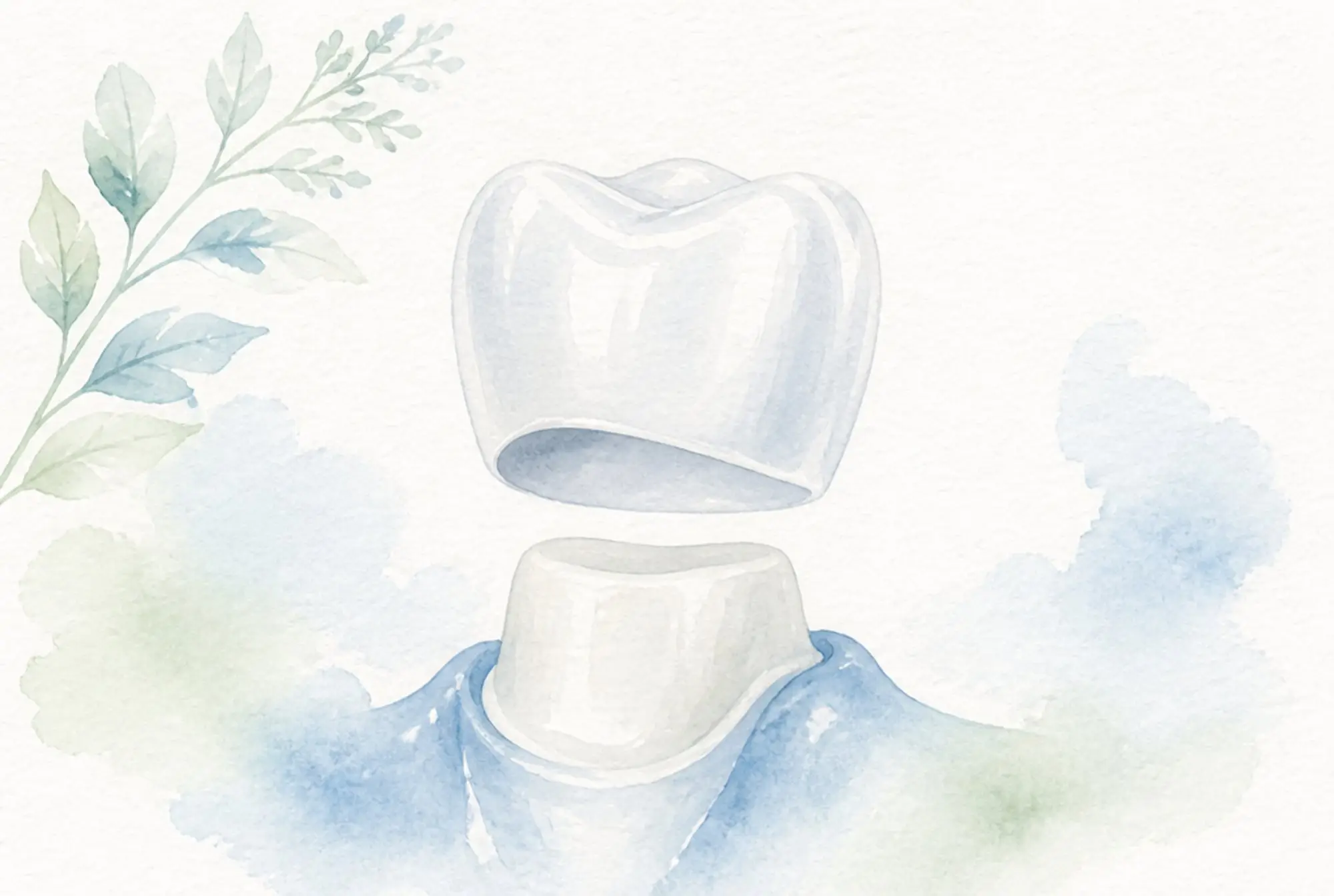
If Dr. Balaban has told you a tooth needs a crown, the word itself can sound bigger than it is. A crown, often called a cap, is a custom cover that fits over a damaged or weakened tooth, protecting what remains and restoring how the tooth looks and works. It is one of the most common restorations in dentistry, and the appointments are calm and predictable. We practice Fear-Less Dentistry at Smile Arts Dental, so if any part of the process worries you, say so and we will pace it around you. Here is exactly what happens, step by step.
What a crown actually does
A crown does two jobs at once. Functionally, it reinforces a tooth that has been weakened by extensive decay, a fracture, or root canal therapy, preventing further damage to the structure underneath. Cosmetically, crowns also improve the appearance of teeth that are misshapen, discolored, or irregularly sized, so the restored tooth blends in with the rest of your smile. Protection and appearance arrive together, which is why crowns have earned their place in so many treatment plans.
The two-visit process, step by step
A traditional crown takes two separate visits, and knowing what each one involves removes most of the mystery.
The first visit. Dr. Balaban examines the tooth and prepares it by removing any decay or damage. Impressions of the prepared tooth are then taken and sent to a dental laboratory, where your permanent crown is custom fabricated to match your tooth and your bite. Before you leave, a temporary crown is placed over the prepared tooth to protect it.
Between visits. The temporary crown keeps the prepared tooth covered and comfortable while the laboratory crafts the permanent one. This waiting period is normal and planned for.
The second visit. The temporary crown comes off, the permanent crown goes on, and Dr. Balaban adjusts it until the fit and bite feel natural. That is the whole procedure. Two quiet appointments, and the tooth is protected for the long term.
Choosing the right crown material
Crowns come in several materials, each suited to a particular job. Porcelain-fused-to-metal crowns balance strength with a natural look. All-ceramic and all-porcelain crowns put appearance first, which makes them a frequent choice for front teeth. Metal crowns, including gold and stainless steel, are known for their durability and are commonly used on molars. Dr. Balaban will recommend the material that fits the tooth, its location, and your goals, and you can read more about the restoration itself on our dental crowns page.
A crown restores both the strength and the appearance of a compromised tooth, and the process is more routine than most patients expect. If a tooth in your smile needs that kind of protection, request an appointment with Dr. Balaban at Smile Arts Dental in Carmel and we will walk you through it one step at a time.
This article is for general education only and is not a substitute for professional dental advice. For guidance about your own smile, talk with your dentist.