
Few phrases make a dental appointment sound scarier than “root canal.” Here is the part that rarely gets said first: the procedure itself is done under local anesthesia, the area is fully numb before any work begins, and the whole point is to stop pain, not cause it. Root canal therapy exists to save your natural tooth so it does not have to be extracted. Knowing what happens at each step takes away most of the dread, so this post walks through the entire visit, start to finish.
How a tooth gets to this point
Without regular professional cleanings and a good hygiene routine at home, teeth develop plaque and tartar. That buildup harbors bacteria that contribute to bad breath, gingivitis, cavities, and tooth decay. Left alone, decay can reach the pulp at the center of the tooth, where the nerves and blood vessels live, and cause an infection. At that stage there are two options: root canal therapy, which clears the infection and keeps the tooth, or extraction, which removes it. Whenever a tooth can be saved, saving it is the better outcome.
The warning signs include tooth pain that does not subside, sensitivity to heat and cold, swollen or bleeding gums, bumps on the gums, jaw tenderness, tooth discoloration, bad breath, pain when you chew or bite down, a chipped or loose tooth, or a fever combined with tooth pain and swelling. We cover these in more detail in five signs you may need a root canal. If any of them sound familiar, an exam with Dr. Balaban is the way to know for certain.
What happens during the procedure
Every step below happens after your mouth is thoroughly numb, and you can pause us at any point. Fear-Less Dentistry applies to root canals as much as to cleanings.
- X-rays. Dr. Balaban takes dental X-rays of the affected tooth to assess how far the damage extends and to map the roots before any treatment begins.
- Numbing. A local anesthetic numbs your tooth and the surrounding gums.
- The dental dam. A small protective sheet isolates the tooth and keeps the area dry and clean while he works.
- Access. A tiny opening is made in the crown of the tooth to reach the pulp chamber.
- Cleaning. All infected pulp, nerve tissue, and blood vessels are removed, and the pulp chamber and root canals are cleaned and disinfected.
- Filling. The empty canals are filled with a putty-like dental material, and a temporary filling seals the tooth.
That is the entire procedure. No step involves working on a tooth that can still feel what is happening.
Recovery and the crown that finishes the job
Most people have some minor discomfort for a short while afterward. Over-the-counter pain relievers and an ice pack are usually all it takes to manage soreness and swelling.
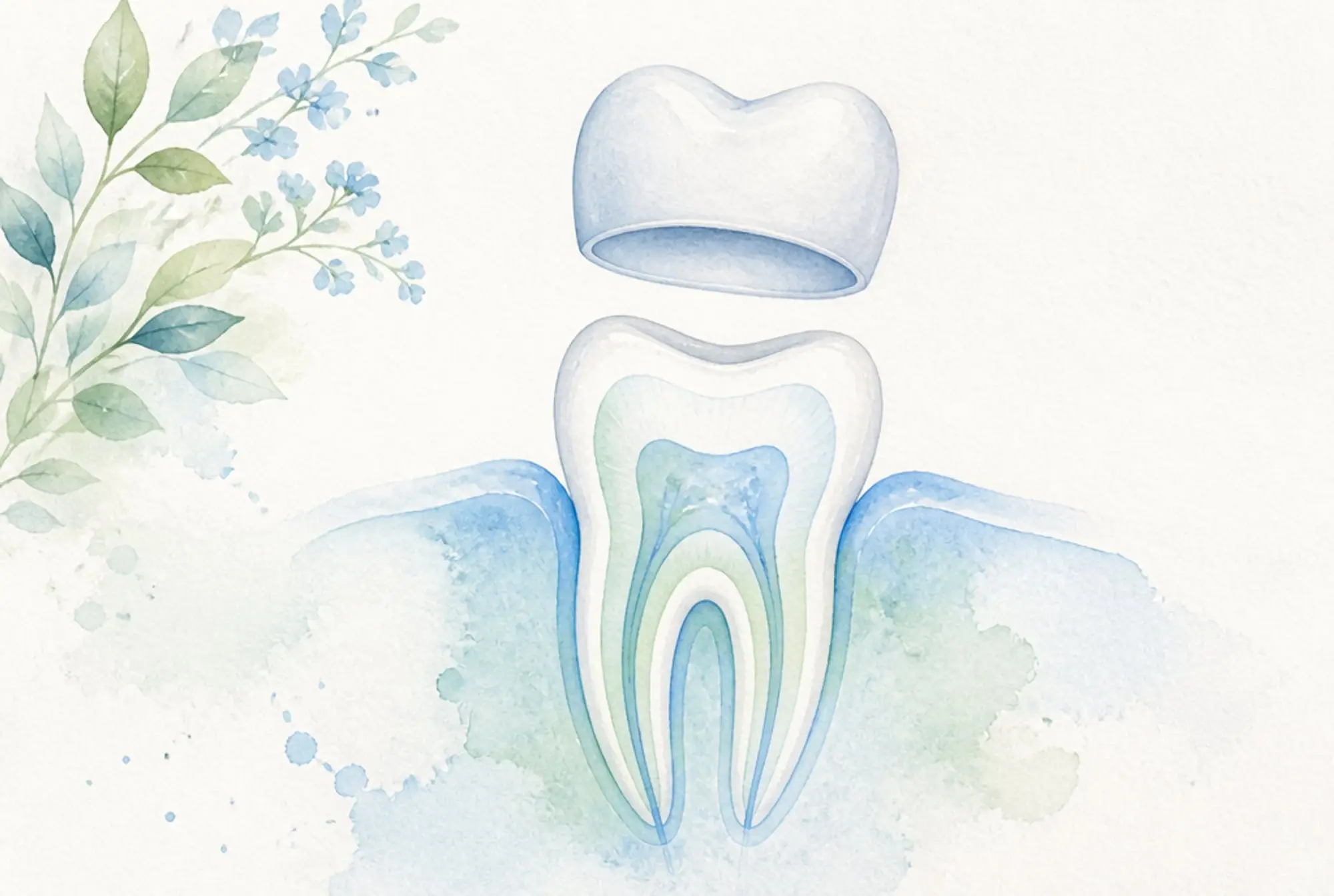
The treated tooth still needs long-term protection, so you will return in one to two weeks to have a permanent dental crown placed. The crown shields the tooth from damage and keeps bacteria from getting back inside, which is what lets a root canal treated tooth serve you for years. Planning for that second visit from the start is part of doing the job properly.
When in doubt, get it looked at
The earlier an infected tooth is examined, the more options you have, and consistent preventive care is the best way to avoid needing a root canal at all. If you suspect a tooth is in trouble, come see us at Smile Arts Dental. Dr. Balaban will do a thorough exam, take X-rays, and clean your teeth, then talk you through exactly what he finds before anything else happens. Call us at (317) 575-1995 or request an appointment online.
This article is for general education only and is not a substitute for professional dental advice. For guidance about your own smile, talk with your dentist.