
Losing a tooth is unsettling, and choosing how to replace it can feel like one more decision you did not ask for. So take a breath first. Both of the main options work, and your dentist’s job is to walk you through the choice at your pace. For years, a dental bridge was the go-to answer for a single missing tooth. These days, more patients in Carmel are choosing dental implants instead, and there are good reasons your dentist is likely to recommend the same.
What a bridge asks of your neighboring teeth
A dental bridge works like three dental crowns fused together. The two outer crowns anchor to the healthy teeth on either side of the gap, called the abutment teeth, and the middle crown fills the space where the missing tooth used to be. A well-made bridge can last for years, and it keeps the space between your teeth maintained.
The trade-offs land on those two anchor teeth. Both must be reduced in size for the bridge to fit, which means removing healthy tooth structure. From then on they also carry extra chewing pressure, which puts them at risk of fracturing. And because a bridge is one connected piece, it is not easy to clean, which raises the risk of recurrent decay underneath it.
Why we usually recommend the implant
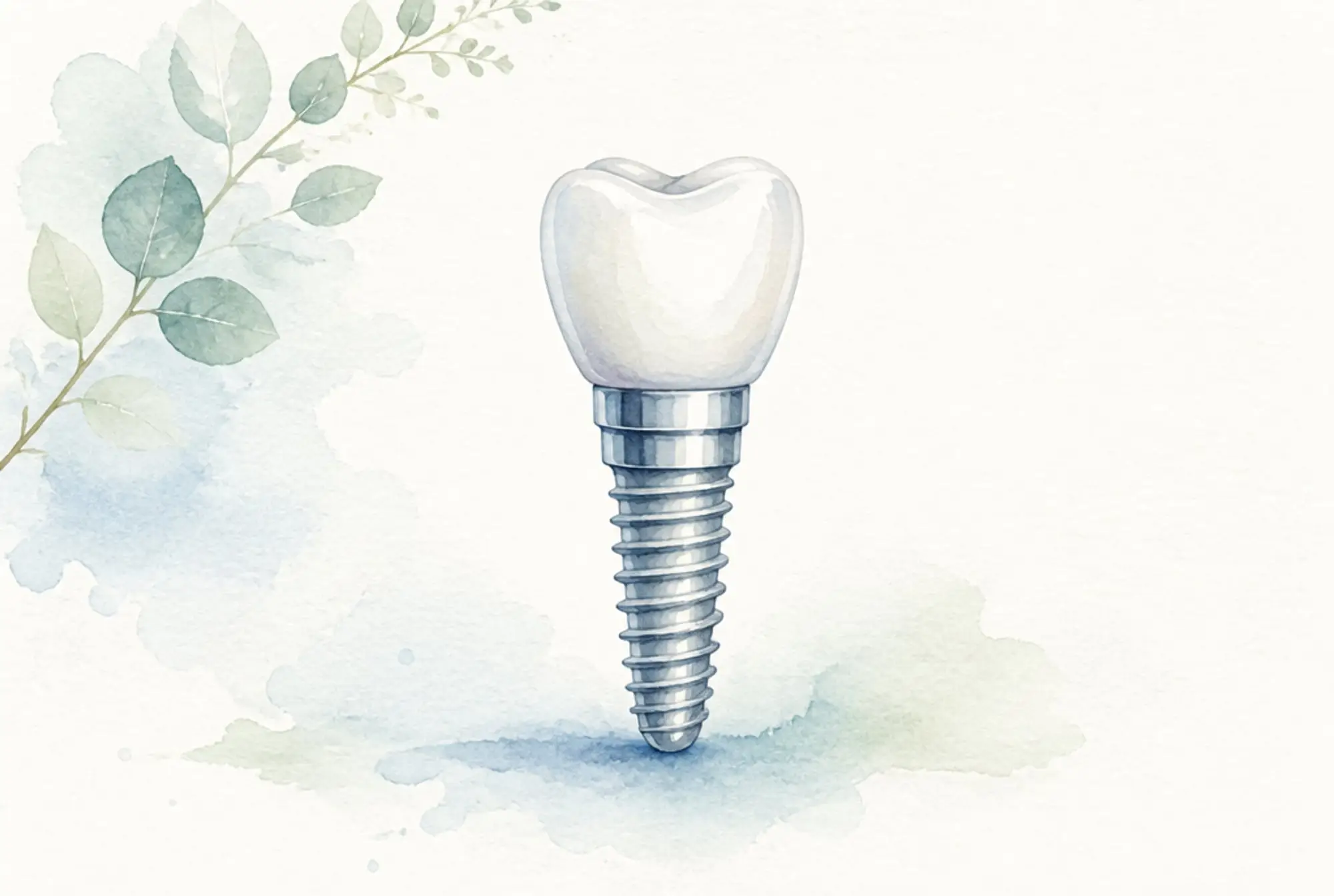
An implant replaces the missing tooth on its own, and that changes the trade-offs completely.
- The teeth next to the gap are left alone. Nothing is reduced or reshaped, and nothing is asked to carry a load it was not built for.
- The implant is made of metal, so it can take the full force of chewing without leaning on its neighbors.
- You brush and floss normally, the same way you care for the rest of your teeth.
That is why, when a patient is a good candidate, an implant is usually the treatment we recommend first. If you would rather see the two options weighed evenly side by side, we wrote a separate post on the difference between dental implants and bridges.
Cost is less of a barrier than it used to be
If cost is what has kept you waiting, there is encouraging news. Dental implants have become more affordable for many patients, and some insurance companies are willing to pay for at least a portion of the treatment. Bring your questions to your visit and we will walk through your options together, with no pressure attached.
Curious whether an implant is right for you? Request an appointment or call (317) 575-1995 to schedule a consultation and exam. We will find out whether you are a good candidate and answer your questions, at whatever pace feels right to you.
This article is for general education only and is not a substitute for professional dental advice. For guidance about your own smile, talk with your dentist.