
Dental emergencies have a way of arriving when you least expect them. So before anything else, know this: if something has gone wrong with a tooth, you do not have to judge the severity alone. Call us, describe what happened, and we will tell you how urgent it is. Knowing ahead of time where you will go takes most of the panic out of the moment, and prompt treatment is the whole point of emergency dental care.
A broken or knocked-out tooth is obviously urgent. Some emergencies are less visible. If a toothache has become unbearable, the tooth needs prompt attention even when it looks fine from the outside. Not every dental problem requires immediate treatment, but the five below do.
The five emergencies, and what to do first
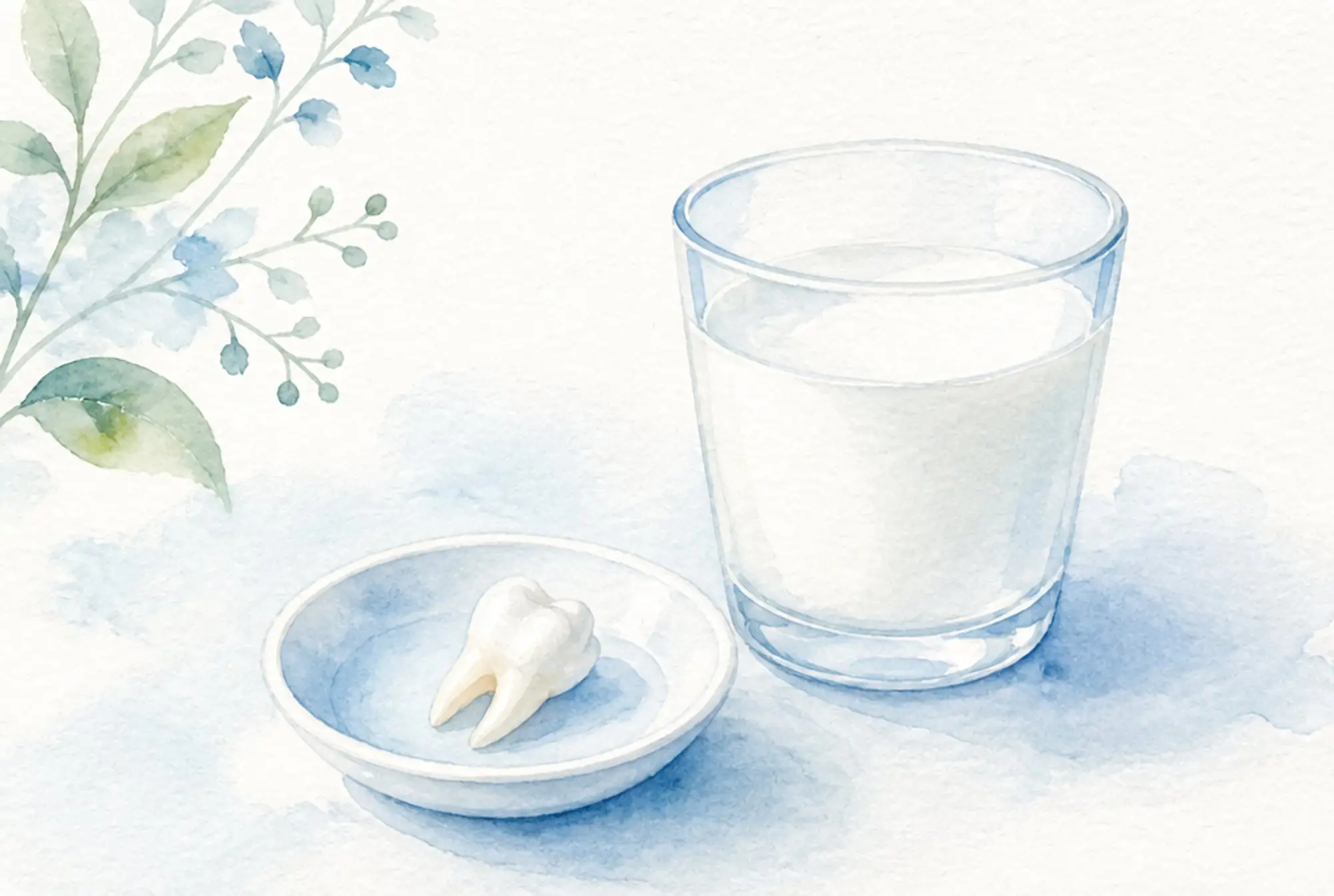
1. A knocked-out tooth. This always requires immediate attention. Beyond the pain, bleeding can be persistent. If you can retrieve the tooth, rinse it gently and place it in a small container of milk, then head straight to the dentist. Acting quickly gives us the best chance to stop the bleeding and restore the tooth.
2. A partially dislodged tooth. A tooth pushed partly out of position can hurt even more than one knocked out entirely. Do not try to push it back into place; that tends to make the pain worse. Hold a cold compress against the area on the way in to ease the pain and keep swelling down.
3. A cracked or chipped tooth. Depending on how deep the damage goes, a chipped or broken tooth may or may not hurt. If you can, gather the broken fragments so restoring them stays an option. Rinse your mouth with lukewarm water and hold a piece of gauze against any bleeding while you head to the office.
4. Broken braces or a loose wire. If you wear braces and a bracket or wire breaks, the loose metal can injure the inside of your mouth, and small pieces can even be swallowed. A wound from broken hardware can become infected, so this counts as an emergency too, even when it does not look dramatic.
5. An abscessed tooth. A deep cavity or severe gum disease can lead to an abscess, which is extremely painful and needs immediate care. Watch for fever, a foul taste in your mouth, swollen gums, or pus. Prompt treatment keeps the infection from spreading, and an infection inside a tooth is exactly what root canal therapy exists to treat.
While you are on your way
Whatever the emergency, the most useful thing you can do is stay as calm as you can. Take slow, deep breaths, control any bleeding with gauze, and let someone else drive if you are in real pain. Panic makes everything feel worse; a plan makes everything feel manageable. That is the same thinking behind Fear-Less Dentistry on ordinary days, and it holds on the hard ones too.
Not sure it counts as an emergency
Plenty of patients hesitate to call because they are not certain their problem qualifies. Please do not wait it out. Reach us through our contact page or call (317) 575-1995 and we will assess your situation quickly. If you simply need to be seen soon, you can also request an appointment online and note what happened. We will take it from there.
This article is for general education only and is not a substitute for professional dental advice. For guidance about your own smile, talk with your dentist.