
If a dentist has told you a tooth needs a crown, the first question is usually not “what is it” but “do I really need this.” That is a fair question, and it deserves a plain answer. This post walks through what a crown actually does for a tooth, so you can weigh the recommendation calmly rather than take it on faith. And if the word “crown” itself makes you tense, know that comfort comes first here; Fear-Less Dentistry applies to restorative work as much as anything else.
What a dental crown actually is
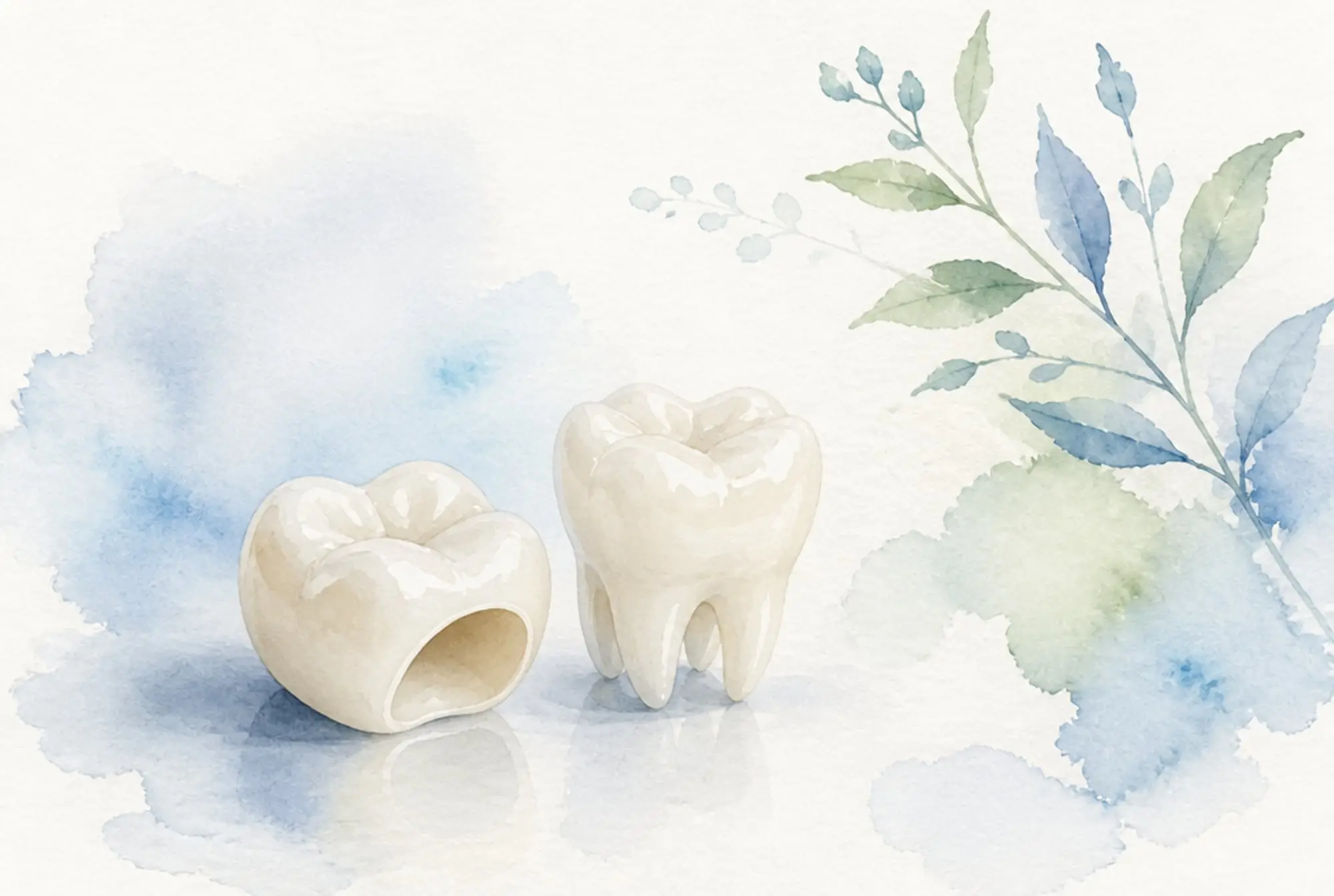
A crown, often called a cap, is a custom-made covering that fits over the entire visible portion of a tooth above the gum line. It restores the tooth’s shape, size, strength, and appearance in one piece. Crowns are made from durable materials such as porcelain, ceramic, metal, or a combination, and each one is designed to match the color and shape of your natural teeth so it blends in rather than standing out.
What a crown does for you
The reason crowns are recommended so often is that they solve several problems at once:
- Strength. A crown restores the structural integrity of a weakened tooth, so you can bite and chew comfortably again.
- Protection. It shields the damaged tooth underneath from further decay or injury, which helps preserve the rest of your oral health.
- A natural look. Because each crown is custom-designed, the result reads as your own tooth, whether the goal was restorative or cosmetic.
- Durability. With proper care, a crown can last for many years, which makes it a long-term answer rather than a patch.
Put together, that is the case for accepting a crown: one restoration that returns function, guards the tooth, and looks like it belongs.
When Dr. Balaban recommends one
There are several situations where a crown is the right tool:
- A tooth too damaged for a filling. When decay or damage goes beyond what a traditional filling can restore, a crown provides comprehensive coverage and strength.
- After a root canal. A treated tooth is often left fragile and susceptible to cracking; a crown gives it the reinforcement it needs.
- A cracked or chipped tooth. Capping a fractured tooth prevents further damage and restores normal function.
- Cosmetic concerns. A misshapen, discolored, or uneven tooth can be covered with a crown for a natural-looking improvement.
- Anchoring a bridge. Crowns placed on the teeth adjacent to a gap hold dental bridges securely in place.
If your situation matches one of these, the recommendation you received is a standard one, and you can read more about how we approach the treatment on our dental crowns page.
Deciding what is right for your tooth
A crown is a common, well-established way to restore the health of a damaged tooth and improve your smile, but the right answer always starts with your specific tooth and your specific goals. If you are weighing a recommended crown, or you have a tooth that hurts, catches, or embarrasses you, request an appointment at Smile Arts Dental and Dr. Balaban will walk you through whether a crown is the right solution. A healthy, confident smile is closer than you think.
This article is for general education only and is not a substitute for professional dental advice. For guidance about your own smile, talk with your dentist.