
If a tooth is damaged beyond saving, or you have been living with a gap for years, the word “implant” can sound intimidating. It should not. A dental implant is one of the most predictable ways to replace a missing tooth, and for most patients the hardest part is deciding to start. Here is what implants are, why Dr. Balaban recommends them, and, most importantly, what life with them looks like afterward.
What a dental implant actually is
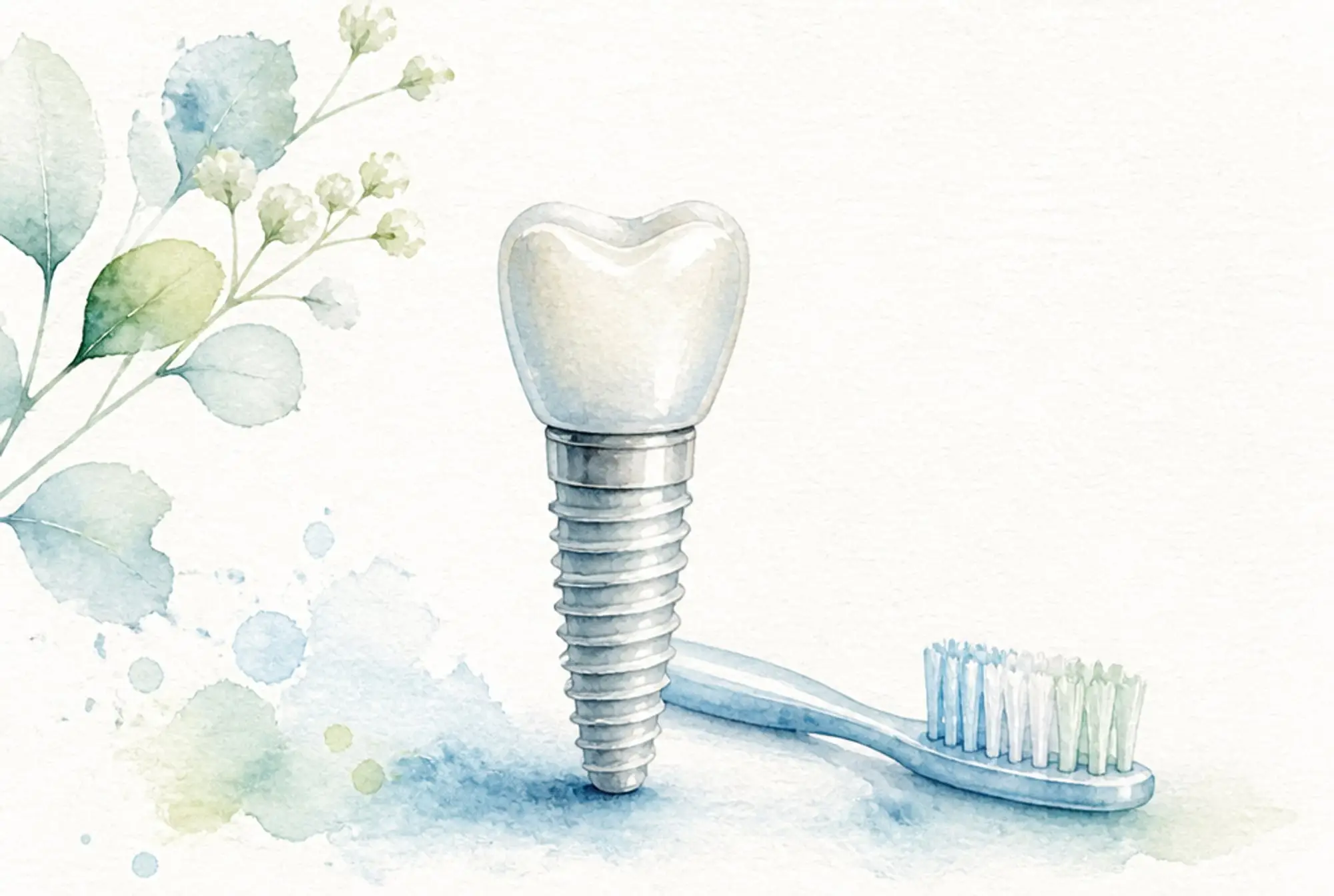
A dental implant is a replacement tooth root. Once it is secure in the jaw, a natural-looking prosthetic tooth is permanently attached to it, colored and shaped to match the teeth around it. Most people will never notice the difference. Dr. Balaban may recommend dental implants when a damaged tooth needs to be extracted, or when more than one tooth is missing.
Compared with dentures or a removable bridge, patients choose implants for reasons that show up in daily life:
- More comfort, because nothing shifts or presses on the gums
- Easier speech and easier chewing
- A more natural appearance
- Simpler oral hygiene, with no appliance to remove and soak
- Longer lasting, more durable results with lower maintenance
The procedure, briefly
Before anything is scheduled, Dr. Balaban evaluates your overall health to confirm you are a good candidate; your gums and jawbone need to be strong and healthy enough to support the implant. The treatment itself unfolds in stages: the implant is placed, the bone heals and grows around it over several months, an abutment is added, and once your gums have healed the finished tooth is attached. Some minor swelling and soreness afterward is normal, managed with over the counter anti-inflammatories, and antibiotics may be prescribed.
We wrote a full walkthrough of that timeline in what to expect from a dental implant procedure. And if the idea of the appointment itself is what worries you, that is exactly what Fear-Less Dentistry is for; our sedation dentistry options can make each visit calm and manageable.
Living with your implants
This is where implants earn their reputation for low maintenance. There is no special appliance care and no adhesive. You look after an implant the way you look after any tooth:
- Brush twice a day and floss once a day
- Drink plenty of water
- Keep up regular dental exams and cleanings, every six to twelve months
One point worth understanding: a prosthetic tooth cannot get a cavity, but the gums around it can still harbor bacteria and develop infection if brushing gets sloppy. The implant is permanent; the habit of caring for it has to be too. Follow the aftercare advice you are given at your checkups, and an implant can serve you for the long term.
Find out if implants are right for you
The only real way to know whether you are a good candidate is a conversation and an exam. Dr. Balaban practices general, cosmetic, and restorative dentistry here in Carmel, and consultations move at your pace, with no pressure attached. Call us at (317) 575-1995 or request an appointment online and we will take a look together.
This article is for general education only and is not a substitute for professional dental advice. For guidance about your own smile, talk with your dentist.